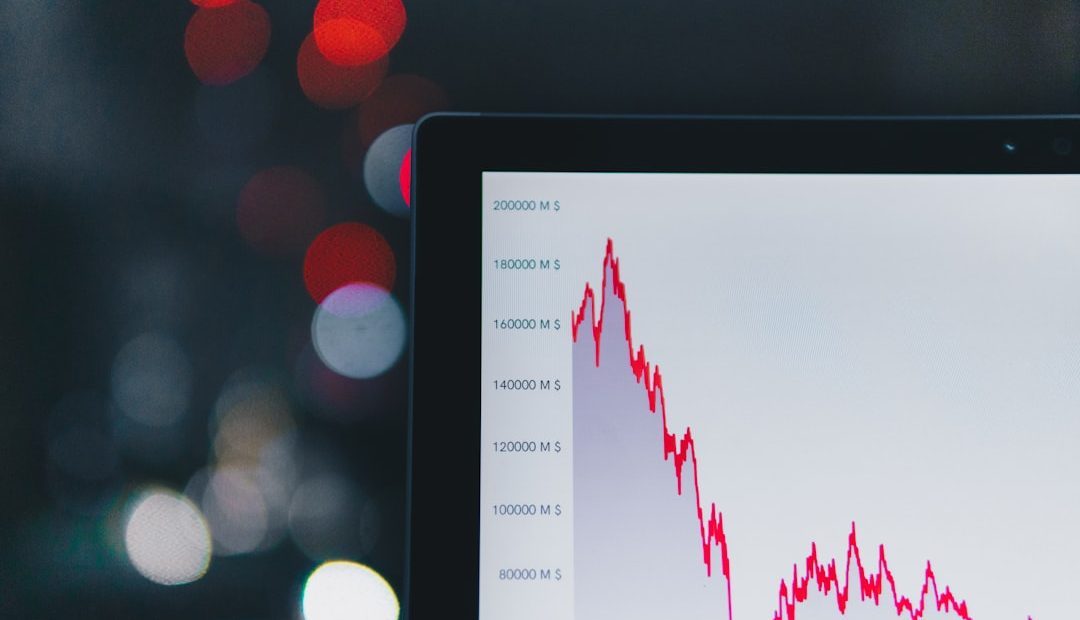
When a single erroneous tweet about a Federal Reserve policy shift sent equity futures lurching downward for eleven minutes before corrections could circulate, it illustrated something that traders and editors alike had long suspected: the gap between when information breaks and when it can be verified has become one of the most consequential fault lines in modern financial life. The age of breaking news has not simply changed how people stay informed — it has materially altered how capital moves, who profits, and who gets left behind.
The Velocity Problem in Financial Journalism
Speed has always mattered in markets. But the infrastructure supporting real-time information has evolved far faster than the editorial cultures governing it. Newsrooms that once had hours to fact-check a story about a central bank decision or a corporate earnings miss now compete against algorithmic feeds that parse press releases in milliseconds and execute trades before a human journalist has finished reading the headline. The result is a media ecosystem under enormous pressure to publish first and verify second — a reversal of the traditional journalistic sequence that carries real economic consequences.
This pressure is not hypothetical. News-driven volatility events — where asset prices spike or crater on the basis of unconfirmed or misread reports — have become regular features of the trading calendar. Commodity markets have proven especially vulnerable, given their sensitivity to geopolitical headlines. A misattributed report about a Middle Eastern supply disruption or a misread line in a Chinese trade ministry statement can move oil prices by several percentage points within minutes, leaving retail investors scrambling while algorithmic traders have already repositioned.
How Investors Are Adapting to the Information Arms Race
The response among sophisticated market participants has been twofold: invest heavily in data infrastructure, and develop more rigorous protocols for distinguishing signal from noise. Institutional desks now routinely subscribe to multiple competing news feeds precisely so that discrepancies between sources can be flagged before a position is taken. Some have built internal scoring systems that weight the reliability of different outlets based on historical correction rates — a development that would have seemed eccentric a generation ago but now feels like basic risk management.
For the individual investor, the challenge is more acute. Without the resources of a dedicated research desk, staying calibrated in a high-velocity information environment requires both discipline and the right tools. Platforms offering real-time trading updates with an emphasis on sourcing and context have grown in importance precisely because they attempt to bridge the gap between raw speed and editorial care — a gap that, left unaddressed, tends to disadvantage smaller market participants most severely.
What has emerged across both retail and institutional investing is a heightened sensitivity to provenance. Where did this story originate? Has it been confirmed by a second independent source? Is the outlet in question one with a track record of issuing corrections promptly? These questions, once the province of media critics, have become live concerns for anyone managing meaningful exposure to news-sensitive assets.
The Editorial Responsibility That Markets Demand
Journalists covering finance carry a burden that colleagues in other beats sometimes underestimate. A poorly worded headline about a pharmaceutical trial or a hastily published piece on regulatory action does not merely misinform — it can trigger measurable economic harm. This has prompted a growing conversation within journalism itself about whether financial reporting requires a distinct set of professional standards, similar in spirit to the obligations placed on analysts under securities law.
Several major newsrooms have quietly updated their internal protocols in recent years, requiring additional editorial sign-off on market-sensitive stories and building in mandatory delays for stories that could trigger trading activity. Critics argue this is insufficient and that the financial press remains structurally ill-equipped to police the downstream consequences of its output. Proponents counter that over-regulating the speed of financial journalism risks handing information advantages to institutional players who have alternative data sources retail investors do not.
Trust as a Market Signal
There is an irony worth noting: in a media landscape saturated with noise, credibility has itself become scarce — and therefore valuable. Outlets that have built reputations for accuracy over speed tend to command stronger reader loyalty and, increasingly, direct subscription revenue that insulates them from the pageview chasing that distorts editorial incentives. Trust, in other words, has taken on something of the characteristics of a durable asset in an environment otherwise defined by depreciation.
That same dynamic holds at the individual level. Investors who develop the habit of triangulating sources — checking a breaking development against multiple outlets with different ownership structures and editorial approaches — consistently make fewer reactive errors. The market, as always, rewards patience, but the news cycle rarely encourages it. Bridging that gap remains the central editorial challenge of the moment, and whether media institutions rise to meet it will have consequences that extend well beyond the newsroom — reaching into portfolios, pension funds, and the broader architecture of informed economic participation that functioning markets depend upon.

Leave a Reply